
1. Samsung Galaxy S26 Ultra
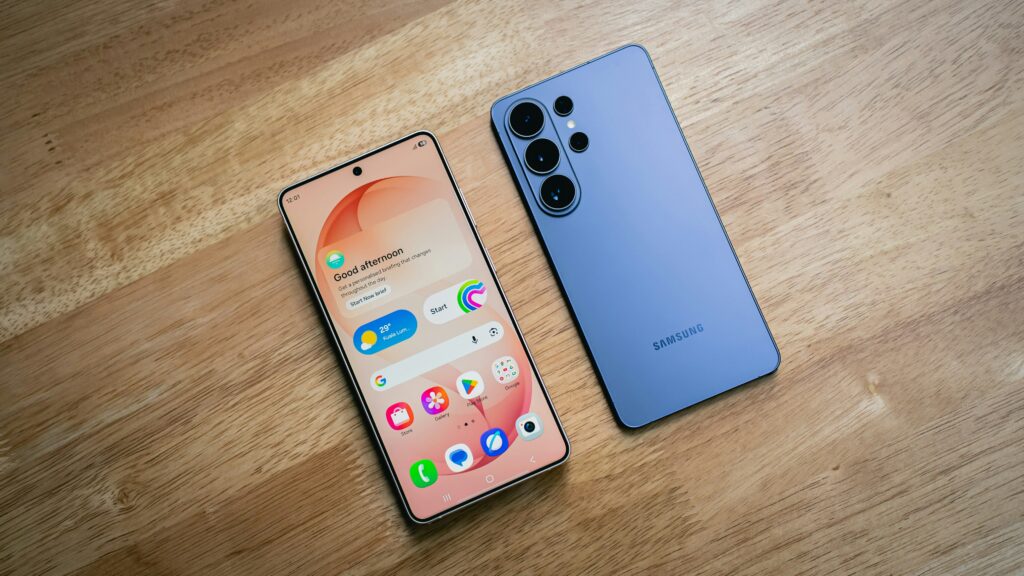
Samsung is the world’s largest smartphone maker by market share, and the Galaxy S Ultra line has been its halo product since the S20 Ultra. With the S26 Ultra, Samsung shifted its pitch — instead of chasing raw hardware dominance, it leans on software intelligence, a new “Privacy Display” that limits viewing angles, and deeper Galaxy AI integration. It keeps the S Pen stylus, a signature Ultra feature no rival matches, and pairs it with Samsung’s One UI 8.5 software layer, promising long-term update support (Samsung now guarantees 7 years of OS updates on flagships).
Specs: 6.9″ QHD+ 120Hz AMOLED display · Snapdragon 8 Elite Gen 5 for Galaxy · 12GB RAM / 256–1TB storage · 5,000mAh battery, 60W wired/15W wireless charging · S Pen included · IP68 · Android 16
Pros: Best-in-class software support, S Pen productivity, mature camera processing, Privacy Display feature, huge accessory ecosystem
Cons: Very high price, only modest generational leap over S25 Ultra, charging speed lags Chinese rivals, still no titanium frame this year
Price: ~$1,299 (256GB) up to $1,799 (1TB)
2. Apple iPhone 17 Pro Max
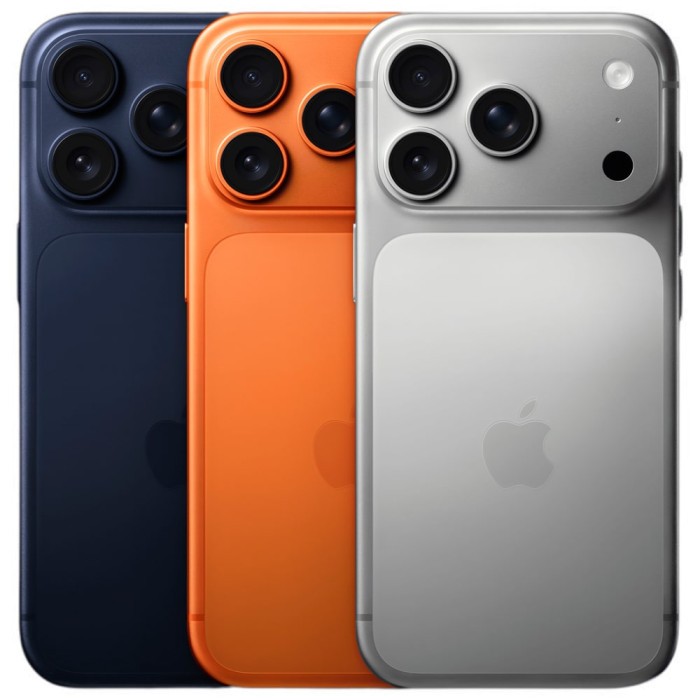
Apple’s Pro Max is the best-selling premium phone globally and the benchmark most Android flagships are compared against. The 17 Pro Max brought a redesigned aluminum unibody (replacing titanium), a huge horizontal camera bar, and Apple’s new A19 Pro chip with vapor chamber cooling — Apple’s first real move to combat sustained-performance throttling in intensive apps and games. Apple’s appeal remains its tight hardware-software integration, long software support (typically 6+ years), and the closed but polished iOS/Apple Intelligence ecosystem.
Specs: 6.9″ Super Retina XDR OLED, 120Hz ProMotion · A19 Pro chip · 12GB RAM / 256GB–2TB · Triple 48MP rear cameras (main, ultra-wide, 4x telephoto) · 5,088mAh battery, 40W wired/25W MagSafe · IP68
Pros: Best-in-class chip efficiency, class-leading video recording (ProRes, Dolby Vision), excellent long-term resale value, polished ecosystem integration
Cons: Expensive at higher storage tiers, still capped at 40W charging, iOS customization remains limited vs Android, no S Pen-style stylus support
Price: $1,199 (256GB) up to $1,999 (2TB)
3. Xiaomi 17 Ultra
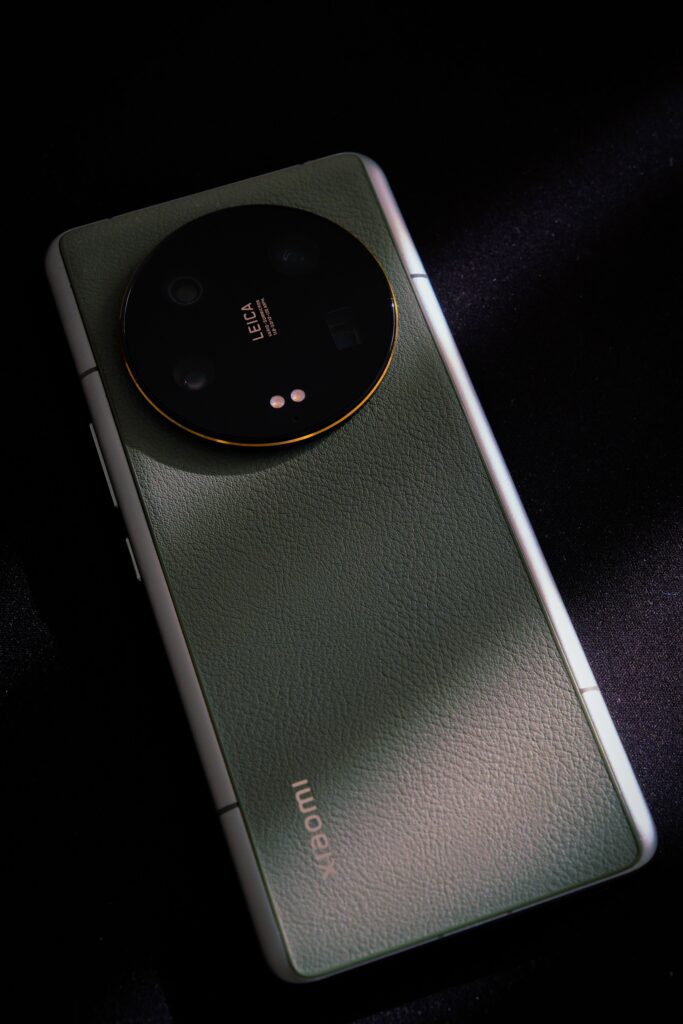
Xiaomi is China’s top smartphone brand by shipments and treats its “Ultra” series as a photography flagship, built with Leica. The 17 Ultra doubles down on that identity with a 1-inch main sensor and a genuinely unusual 200MP periscope telephoto offering true optical-quality zoom out to 100mm (with digital reach to 400mm). It runs HyperOS 3 on the same Snapdragon 8 Elite Gen 5 silicon found across this year’s flagship class, but undercuts Samsung and Apple significantly on price in its home market.
Specs: 6.9″ LTPO AMOLED, 120Hz, 3,500 nits peak · Snapdragon 8 Elite Gen 5 · 16GB RAM / up to 1TB · 50MP main (1″ sensor) + 200MP periscope telephoto + 50MP ultra-wide · Leica optics · 6,000mAh battery, 90W wired/50W wireless · IP68/IP69
Pros: Exceptional camera hardware and zoom range, huge battery with fast charging, premium build, aggressive China pricing
Cons: HyperOS software polish/update policy trails Samsung and Apple outside China, official global availability and pricing are inconsistent, bulkier camera module
Price: ~$996 (China, 12GB/512GB) to ~$1,270+ internationally
4. vivo X300 Ultra
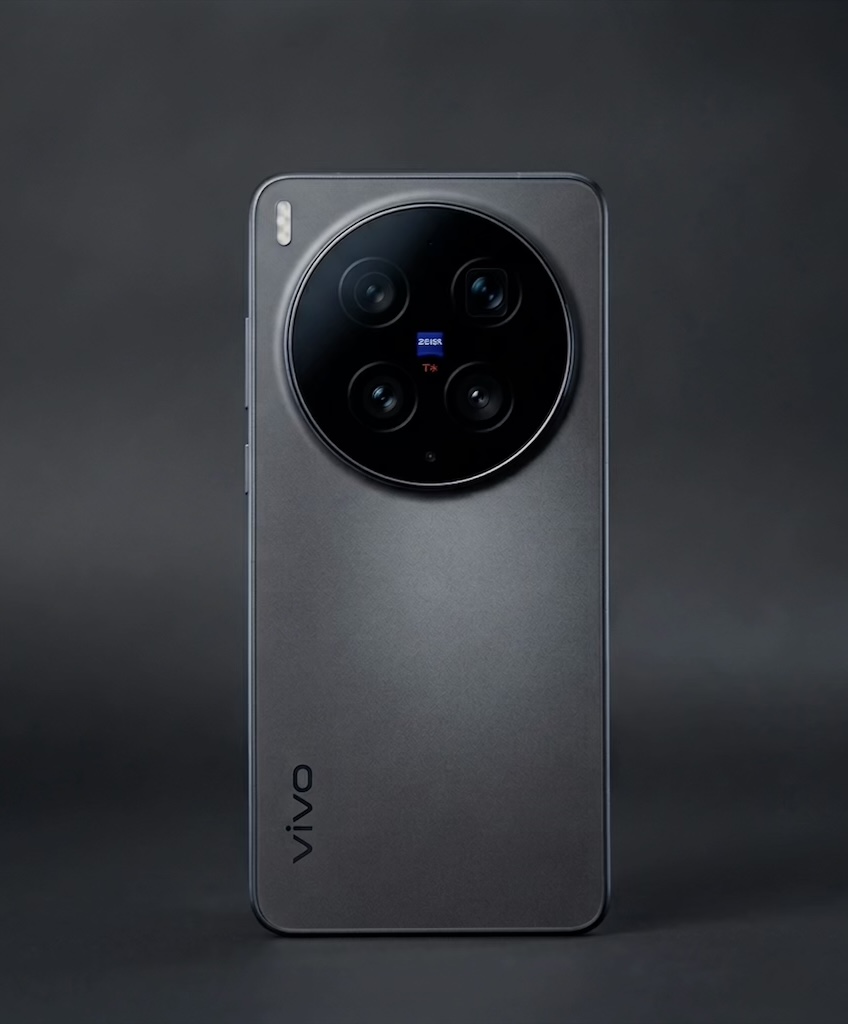
Vivo, part of the BBK Electronics family (alongside Oppo and OnePlus), has built its X Ultra series into one of the most respected camera-phone lines in Asia through its partnership with Zeiss. The X300 Ultra pushes that further with dual 200MP sensors (main and periscope telephoto) plus optional clip-on Zeiss teleconverter lenses that extend reach to 400mm equivalent — turning the phone into a modular camera system, a feature no other brand on this list offers.
Specs: 6.82″ LTPO AMOLED, 144Hz, up to 4,500 nits · Snapdragon 8 Elite Gen 5 · 12–16GB RAM / up to 1TB · 200MP main + 200MP periscope telephoto (3.7x optical) + 50MP ultra-wide · Zeiss T* optics · 6,600mAh battery, 90W wired/40W wireless · IP68/IP69
Pros: Outstanding camera versatility with modular teleconverters, huge battery, bright/sharp display, strong build quality
Cons: Very high international pricing, limited official global availability, no FM radio/expandable storage, heavier than rivals (~232g)
Price: ~$1,012 (China base) to ~$1,588–$2,340 (global/imported pricing)
5. Apple iPhone 17 Pro
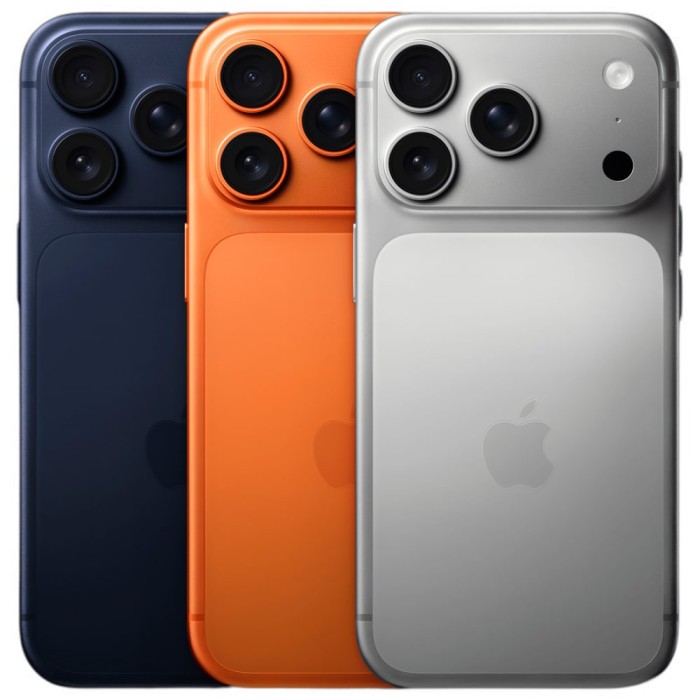
The smaller sibling to the Pro Max, the iPhone 17 Pro gives buyers the same chip, camera system, and build quality in a more pocketable 6.3″ size. It’s aimed at people who want Apple’s top-tier performance and camera without the Max’s size or price premium — a segment increasingly popular as phones have grown larger.
Specs: 6.3″ Super Retina XDR OLED, 120Hz ProMotion · A19 Pro chip · 12GB RAM / 256GB–1TB · Triple 48MP rear camera system · Vapor chamber cooling · IP68
Pros: Same core chip/camera as the Pro Max in a smaller body, easier one-handed use, slightly cheaper entry price
Cons: Smaller battery than the Max, no 2TB option, same 40W charging cap, premium pricing versus Android equivalents
Price: Starting around $999–$1,099
6. OnePlus 15
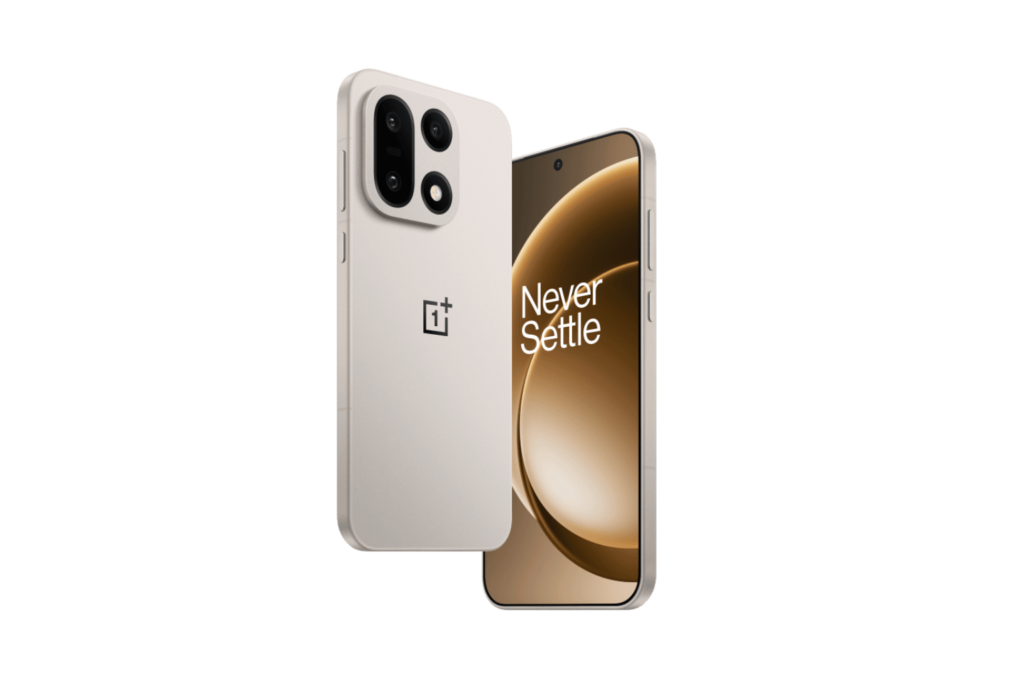
OnePlus built its reputation on “flagship killer” pricing, and while its prices have crept up over the years, the OnePlus 15 still undercuts Samsung, Apple, and even some Chinese rivals while packing genuinely flagship specs. Notably, OnePlus ended its Hasselblad camera partnership this generation in favor of an in-house imaging engine, a talking point among reviewers. It’s also among the first phones globally on the Snapdragon 8 Elite Gen 5.
Specs: 6.78″ LTPO AMOLED, 165Hz, 1.5K resolution · Snapdragon 8 Elite Gen 5 · 12–16GB RAM / 256–512GB · 7,300mAh battery, 120W wired charging · IP66/IP68/IP69 · OxygenOS 16
Pros: Massive battery with very fast charging, smooth 165Hz display, aggressive price-to-spec ratio, extensive IP water/dust protection
Cons: Camera hardware downgraded from prior Hasselblad-branded model, no wireless charging confirmed, OxygenOS bugs reported by some early users
Price: ~$899.99 (12GB/256GB)
7. Honor Magic8 Pro

Honor split from Huawei in 2020 and has since rebuilt itself as a serious flagship contender, particularly known for battery engineering and AI camera processing. The Magic8 Pro continues that focus with a huge silicon-carbon battery (allowing high capacity without extra bulk) and an AI-driven “AiMAGE” imaging engine. It’s positioned as a genuine Samsung/Xiaomi rival, especially strong in Europe and China.
Specs: 6.71″ OLED LTPO, 120Hz · Snapdragon 8 Elite Gen 5 · 12–16GB RAM / 512GB–1TB · 200MP main + 50MP telephoto (3.7x) + 50MP ultra-wide · 7,100–7,200mAh silicon-carbon battery, 100W wired/80W wireless · IP68/IP69/IP69K
Pros: Class-leading battery capacity and charging speeds, excellent build/durability ratings, strong AI camera processing, competitive price for the spec sheet
Cons: MagicOS software less polished/known than Samsung’s One UI, camera night video and selfie quality criticized by some users, limited carrier availability in the US
Price: ~$1,008–$1,100
8. Oppo Find X9 Ultra
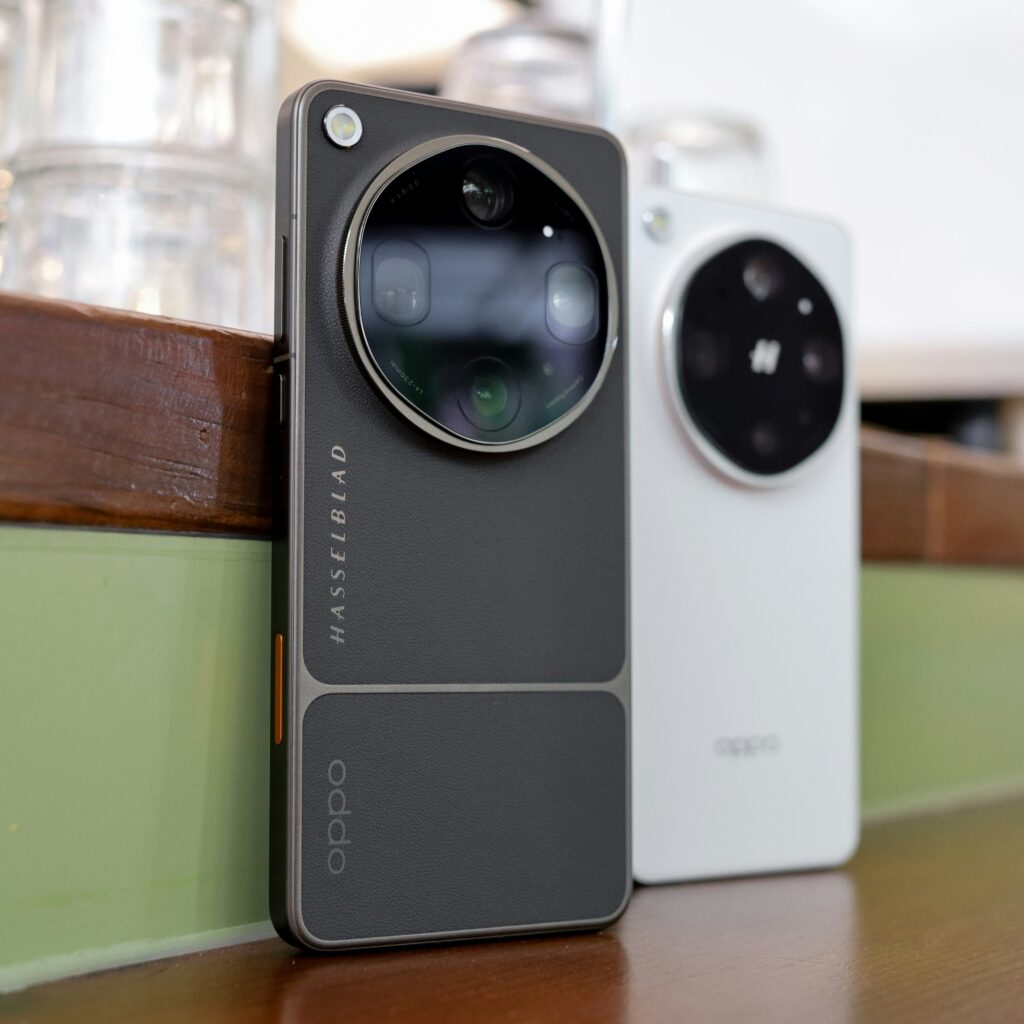
Oppo, another BBK Electronics sibling to vivo and OnePlus, treats the Find X Ultra as its camera-first flagship, competing directly with vivo’s X Ultra line. The X9 Ultra takes a “more is more” approach with a five-lens rear array including two separate 200MP sensors, marketed explicitly as “your next camera” rather than just a phone with a good camera.
Specs: 6.82″ LTPO AMOLED, 144Hz, 3,600 nits peak · Snapdragon 8 Elite Gen 5 · 12–16GB RAM / 256GB–1TB · Quad/five-lens 200MP system (main + telephoto) · Hasselblad color tuning · 7,050mAh Si/C battery, 100W SUPERVOOC charging · IP68/IP69
Pros: Extremely versatile and capable camera array, huge battery, bright and sharp display, strong sustained performance from vapor chamber cooling
Cons: Premium/inconsistent international pricing, limited official markets outside Asia, heavy and camera-bump-heavy design
Price: ~$1,100–$1,900 depending on region/configuration
9. Google Pixel 11 Pro
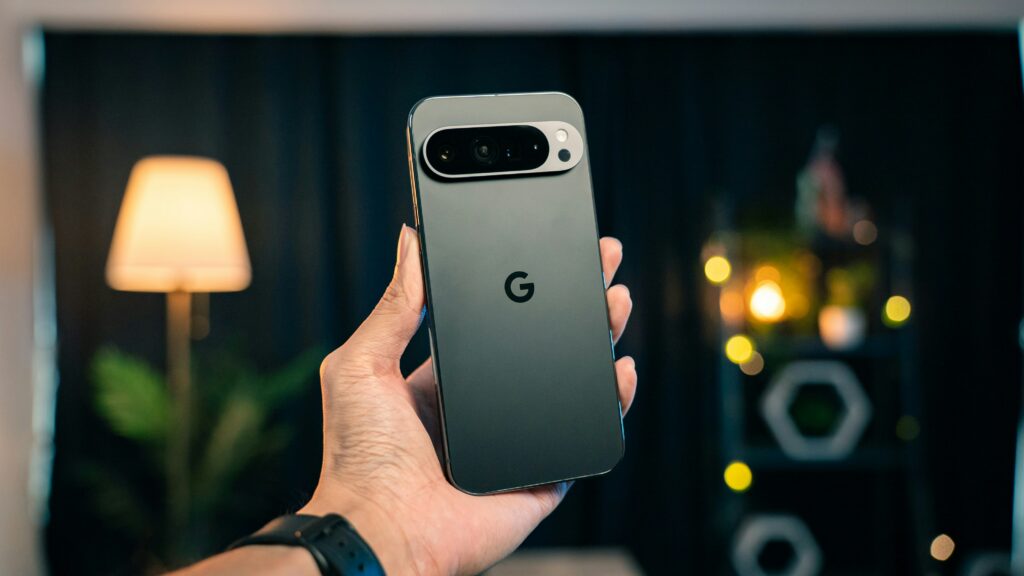
Google’s Pixel line is the reference implementation of “pure” Android and the showcase for Google’s own Tensor silicon and Gemini AI features. The Pixel 11 Pro, launched August 2026, moves to a new 2nm Tensor G6 chip and a redesigned modem meant to fix Pixel’s historically weak cellular connectivity, along with a new RGB “Pixel Glow” light bar for notifications and Gemini interactions. Google bundles months of its AI Pro subscription with purchase.
Specs: ~6.3″ LTPO OLED · Google Tensor G6 (2nm) · 12GB RAM / 256GB–1TB · Triple rear camera with extended zoom · IP68 · Android 17, up to 7 years of OS updates · “Pixel Glow” RGB light array
Pros: Best-in-class Gemini AI integration, cleanest Android software experience, longest guaranteed update window (7 years), improved chip efficiency
Cons: Higher starting price than the outgoing Pixel 10 Pro, base RAM reportedly cut in some configs, historically weaker battery life than rivals
Price: Starting at $1,099 (Pro XL starts at $1,299)
10. Samsung Galaxy S26+
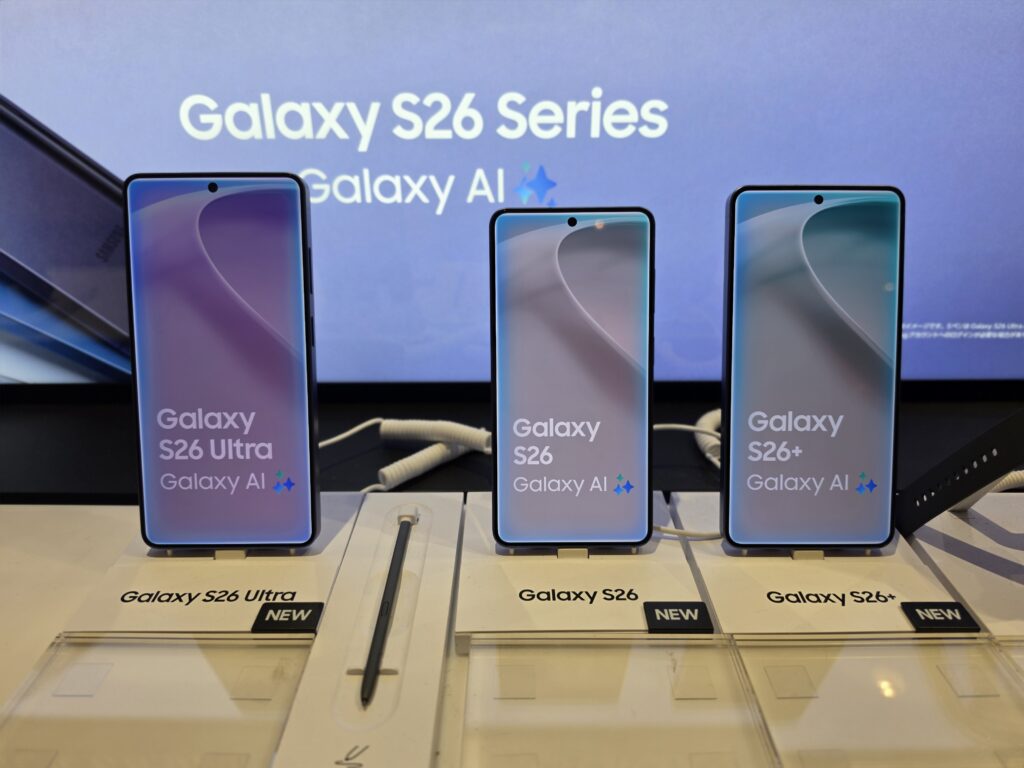
The Galaxy S26+ sits between the compact S26 and the flagship S26 Ultra, offering a larger display and battery than the base model without the S Pen or Ultra-tier camera hardware. It’s aimed at buyers who want a bigger screen and Samsung’s full software/AI suite without paying Ultra prices — historically one of the best value picks in Samsung’s lineup.
Specs: ~6.7″ AMOLED, 120Hz · Snapdragon 8 Elite Gen 5 for Galaxy · 12GB RAM / 256–512GB · Triple rear camera (no periscope telephoto) · IP68 · Android 16, One UI 8.5, 7 years of updates
Pros: Good balance of screen size and portability, same core chip as the Ultra, strong software longevity, cheaper than the Ultra
Cons: No S Pen, weaker zoom camera than the Ultra, similar design to prior generation, midrange-adjacent battery capacity for the screen size
Price: $1,099.99 (256GB) / $1,299.99 (512GB)